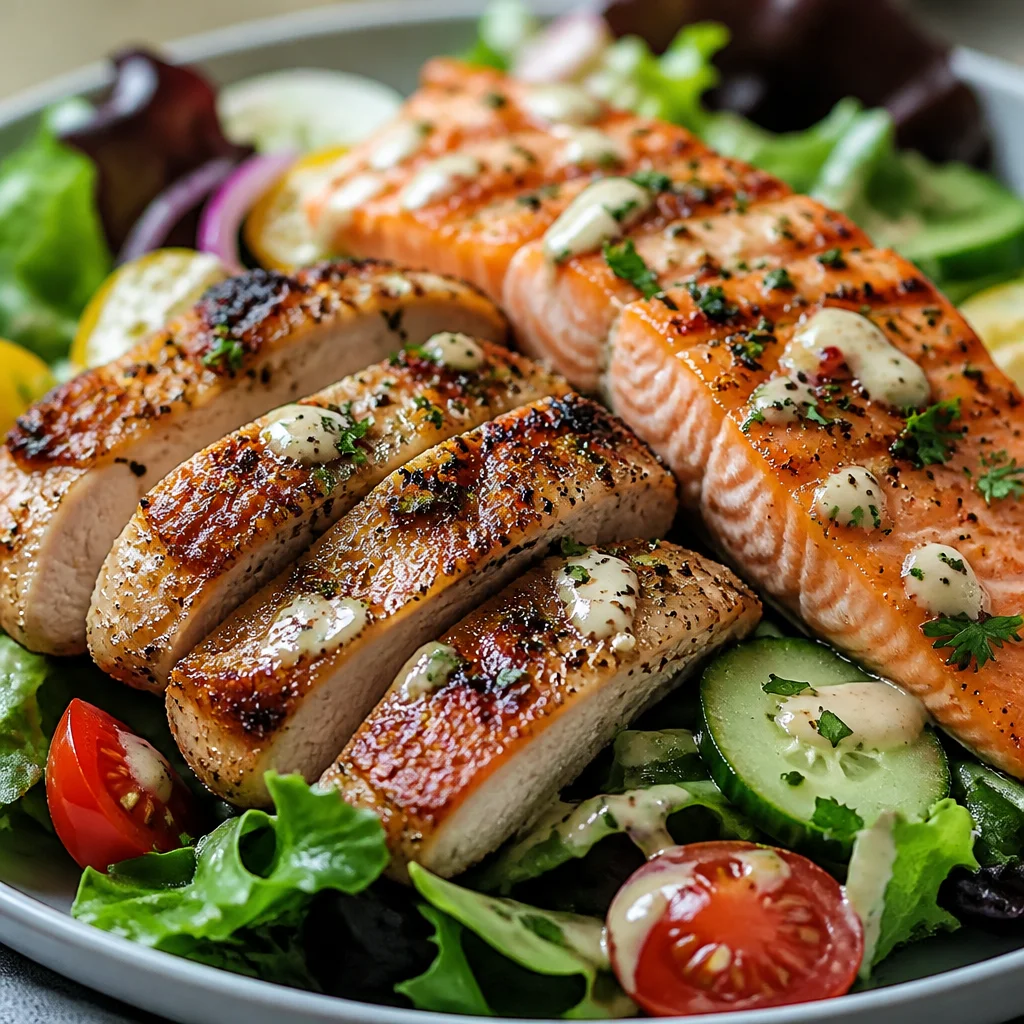
keto can feel amazing until that moment you stand up too fast and your head does a little spin, or you wake up with a headache and wonder what you did wrong. I have been there, and it is usually not about willpower or carbs sneaking in. A lot of the time it is about **electrolytes**, and especially **salt**. When you cut carbs, your body drops water fast, and that water takes minerals with it. So today I am chatting about Keto and Electrolytes: Why Salt is Your Best Friend, plus the simple salty drink I rely on when I feel off. 
What are the basic rules for keto?
The basic rules are pretty straightforward, but the day to day stuff can get weird if you do not plan for cravings and energy dips. The goal is to keep carbs low enough that your body starts using fat for fuel and making ketones. Most people do this by centering meals around protein, healthy fats, and low carb veggies.
Here is the simple version that keeps me on track:
- Keep carbs low, usually around 20 to 50 grams net carbs a day (many people start near 20).
- Eat enough protein to feel satisfied, but not so much that it crowds out fat.
- Use fat for fullness and flavor, not as a dare. Think olive oil, butter, avocado, nuts.
- Drink water, then add electrolytes so the water actually helps.
And yes, this is where Keto and Electrolytes: Why Salt is Your Best Friend really shows up. When insulin drops on keto, your kidneys dump more sodium. That is why people often feel tired, crampy, or foggy in the first week. It is not always the dreaded keto flu. It is often just low sodium.
My low effort morning trick is to start the day with something filling, then salt my food like I mean it. If you need breakfast ideas, I love this one and it is fast: 10-minute keto breakfast that keeps me full for hours. A solid breakfast plus salt makes my whole day smoother.
What can I eat and avoid on the keto diet?
I like thinking in swaps instead of rules. Keto is way easier when you focus on what you can have, and you keep a short mental list of what tends to kick you out of ketosis.
Eat more of these:
- Meat, chicken, fish, eggs
- Full fat dairy if you tolerate it (cheese, heavy cream, Greek yogurt in small amounts)
- Low carb veggies like spinach, broccoli, zucchini, cauliflower, cucumbers
- Fats like olive oil, butter, avocado oil, olives, avocado
- Nuts and seeds in reasonable portions
Avoid or keep very small:
- Sugar, honey, syrup, regular soda
- Bread, pasta, rice, oats, cereal
- Most fruit (berries are usually the easiest fit)
- Starchy veggies like potatoes and corn
- Most snack foods that come in shiny bags
Now the salty part. A lot of keto foods are naturally low in sodium unless you add it. If your meals are mostly plain chicken, steamed veggies, and unsalted nuts, you can feel awful even if your carbs are perfect. This is a big reason I keep repeating Keto and Electrolytes: Why Salt is Your Best Friend, because it is the missing piece for so many beginners.
One of my favorite salty lunches is an egg based salad situation. It is fast, it holds well in the fridge, and it tastes even better with a generous pinch of salt. This is the exact vibe: 10-minute keto deviled egg salad. I add crunchy celery, a little mustard, and I do not hold back on seasoning.
How does the keto diet work?
Okay, quick and clear. Normally your body runs on glucose from carbs. When you eat very few carbs, your body runs low on stored glucose, and it starts breaking down fat into ketones. Those ketones can be used as energy, especially by your brain.
But here is the part most people do not hear on day one: when carbs drop, water drops. Glycogen, which is stored carbohydrate in your body, holds onto water. Use the glycogen, lose the water. And when you lose that water, you also lose minerals like sodium, potassium, and magnesium. That is why Keto and Electrolytes: Why Salt is Your Best Friend is not just a catchy phrase, it is practical survival.
Signs you might need more electrolytes: headache, dizziness, fatigue, muscle cramps, heart pounding feeling, and feeling strangely anxious for no reason. Of course, if symptoms are intense or scary, check in with a clinician. But for mild stuff, electrolytes are usually where I start.
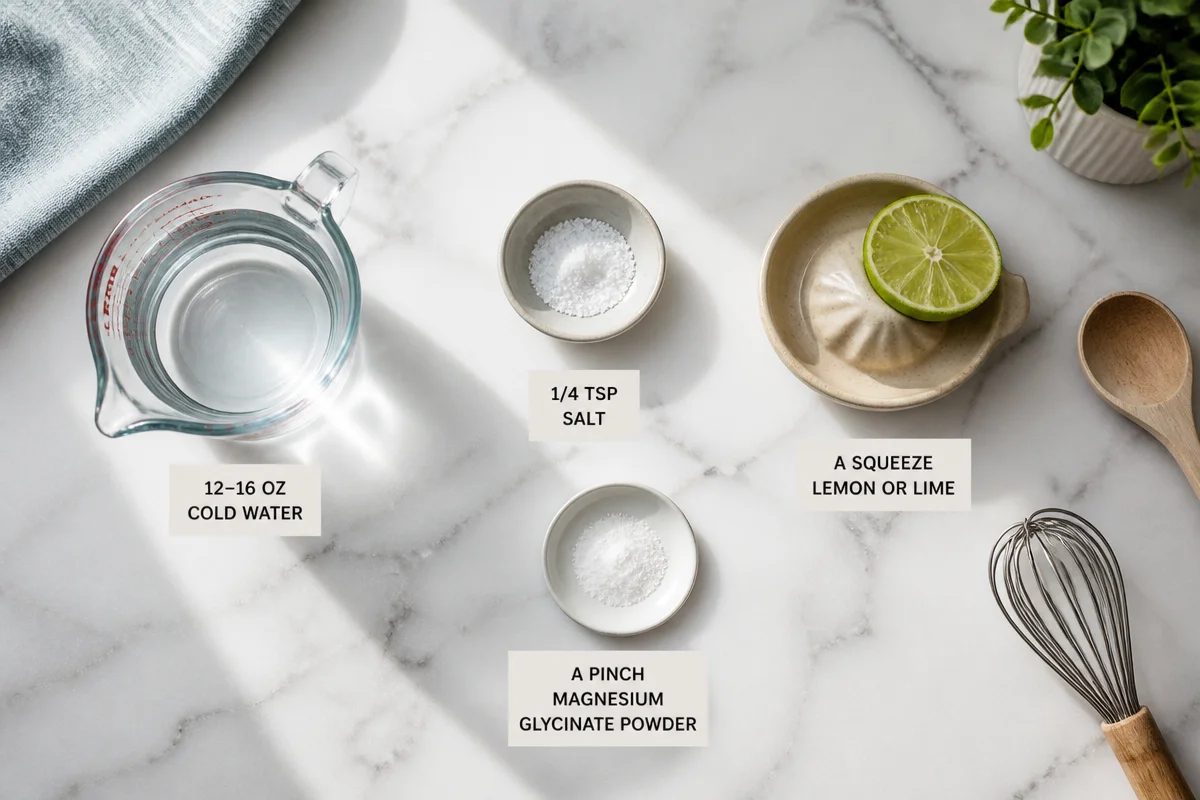
Here is my go to salty little recipe. It is not fancy, but it works. I call it my “sip and reset” because it brings me back to life.
My salty keto electrolyte sip (homemade)
- 12 to 16 oz cold water
- 1/4 tsp salt (start small, adjust to taste)
- A squeeze of lemon or lime (optional, but makes it feel like a real drink)
- Optional: a pinch of magnesium glycinate powder if you use it and tolerate it
How I use it: I drink it slowly, especially if I feel lightheaded after a workout or if I had a sweaty day. I also salt my meals normally, and I keep pickles or olives around for snacky salt. If you have high blood pressure, kidney issues, or you are on medications that affect fluid balance, it is smart to ask your healthcare provider what sodium and electrolyte intake should look like for you.
Also, give your body a second to adapt. The first week is the loudest. After that, things often settle, especially when you get electrolytes right.
“I thought keto just was not for me because I kept getting headaches. I added salt to my food and started sipping electrolytes, and by day three I felt normal again. I wish someone told me sooner.”
Can the keto diet help me lose weight?
It can, and a lot of people see results quickly at first. Some of that early drop is water weight, which is normal and expected. After that, fat loss can happen because keto tends to reduce hunger and cravings, and it can make it easier to eat fewer calories without feeling like you are suffering.
But I want to say this gently: keto is not magic. If you eat keto brownies all day, your body is still dealing with a lot of energy coming in. The win is when you build meals that are satisfying, simple, and repeatable.
Salt matters here too. When electrolytes are low, you may feel tired and snacky, and you start chasing energy with extra food. Getting sodium and other minerals right can make your appetite feel calmer. Again, Keto and Electrolytes: Why Salt is Your Best Friend is about staying consistent, not just “pushing through.”
If you are a dessert person like me, there are ways to keep it keto without going wild. I save sweet stuff for when my meals are solid, and I pick recipes that do not trigger a snack spiral. This list is fun when you want ideas: 10 delicious summer keto desserts.
My practical weight loss tips on keto:
Prioritize protein at meals, cook veggies in butter or olive oil, salt your food to taste, and keep a couple of easy meals you can repeat. If weight loss stalls, look at portions of calorie dense foods like cheese, nuts, and keto treats. They are not “bad,” they are just easy to overdo.
Keto diet risks
Keto is not a perfect fit for everyone, and it is worth being honest about that. Most of the common early issues are electrolyte and hydration related, but there are other things to watch.
Common early side effects: constipation, headache, fatigue, irritability, leg cramps, and sleep changes. These often improve with time, better hydration, more sodium, and enough magnesium and potassium from food.
Other risks and cautions:
If you have diabetes and use insulin or certain meds, your blood sugar can drop too low if you change your diet without medical guidance. If you have kidney disease, a history of eating disorders, or you are pregnant or breastfeeding, you should get professional advice before trying keto. Also, if your cholesterol numbers change a lot, it is worth discussing with your clinician and looking at your fat sources, fiber, and overall food quality.
And yes, too much salt can be a problem for some people, which is why I always say “salt to taste” and listen to your body. Keto and Electrolytes: Why Salt is Your Best Friend is not a license to chug salty water all day. It is about replacing what you lose when carbs go low, especially if you are active or sweating.
Common Questions
1) How much salt do I need on keto?
It depends on your body, your activity, and your food. Many people need more than they did before keto, especially in the first couple of weeks. Start by salting food well and using a small electrolyte drink if you feel symptoms like headaches or dizziness.
2) What are the best electrolyte foods for keto?
Salted eggs, broth, pickles, olives, salmon, leafy greens, and avocado are all helpful. Magnesium is often low too, so pumpkin seeds and leafy greens can help, or a supplement if your clinician says it is ok.
3) Is it normal to feel tired during the first week?
Very normal. Your body is switching fuels and you are losing water and minerals. This is where Keto and Electrolytes: Why Salt is Your Best Friend becomes real life advice, not theory.
4) Can I drink sports drinks for electrolytes?
Some are fine, but many are loaded with sugar. Look for low carb or zero sugar options, and check labels for carbs and hidden sweeteners if those trigger cravings for you.
5) How do I know if I am in ketosis?
Some people feel it with steadier energy and less hunger. You can also use breath, blood, or urine ketone tools, but you do not have to test to do keto successfully. Consistency with carbs is the biggest factor.
A cozy wrap up and my favorite next step
If keto has been making you feel drained, do not assume you are failing. A lot of the time you just need to tighten up hydration and electrolytes, and yes, **salt** is a big part of that. Keep meals simple, salt your food, and try the salty sip recipe when you feel that fog creeping in. If you want a deeper beginner friendly overview, this resource is solid: The Ketogenic Diet: A Detailed Beginner’s Guide to Keto – Healthline. Now go make that salty little drink, whip up something eggy, and give your body a few days to settle in.