tracking carbs was the only thing that finally made my meals feel predictable again. I used to do the whole calorie counting thing, and honestly, it made me cranky and confused because I could stay “on budget” and still feel puffy, snacky, and tired. Then I noticed something: when I kept my carbs lower and steadier, my hunger stopped shouting all day. That is when it clicked for me that carbs affect my appetite and energy way more than I ever gave them credit for. So today I want to explain why I think carbs matter more than calories, and I will also share the simple skillet recipe I lean on when I want results without overthinking dinner. 
Understanding the Key Benefits
Let’s talk real life. Calories are just energy, but carbs can act like a switch that flips how hungry you feel, how steady your mood is, and how “snacky” your brain gets around 3 pm. When I started tracking carbs, I stopped feeling like I needed to white knuckle my way through the afternoon.
Here is the big reason tracking carbs helps so many people: carbs can spike your blood sugar, and then your body pushes it back down. That up and down pattern is a classic reason people feel ravenous even when they ate “enough.” Meanwhile, if you keep carbs consistent, a lot of people notice they naturally eat a more reasonable amount without forcing it.
For me, the win looks like this:
Less mindless snacking, more stable energy, and fewer “why am I hungry again?” moments.
Also, carbs are sneaky. A handful of nuts is mostly fat and protein, but that “healthy” yogurt cup, the fancy coffee drink, or the sauce you poured on chicken can pile on carbs fast. And when you are trying to change your body or your appetite, those hidden carbs matter.
If you like building meals that keep you full, you might also enjoy this round up of healthy high protein meals. I keep it bookmarked because protein plus smart carbs is a combo that makes tracking carbs feel way easier.
One more thing people do not say enough: carbs affect water weight. When you eat more carbs, your body stores more glycogen, and glycogen holds water. So if you have ever felt like the scale jumps overnight after pizza night, yep, that can be part of it. It does not mean you “gained fat” overnight. It just means your body is holding onto more water.
Common Mistakes to Avoid
I made every mistake at the beginning, so if you are doing any of these, you are not alone.
Mistake 1: Only tracking “obvious” carbs. Bread and pasta are obvious. But sauces, dressings, and flavored drinks can be where carbs hide. BBQ sauce got me more than once.
Mistake 2: Going super low carb with zero plan. If you cut carbs hard and forget electrolytes, you can feel tired, headachy, and weirdly irritated. That is not a personality flaw, it is usually a simple fix. This guide on keto electrolytes and salt helped me stop doing the “why do I feel like a sleepy gremlin?” routine.
Mistake 3: Treating calories like they are irrelevant. Okay, I know the post is about carbs being more important, but I am not saying calories never matter. I am saying tracking carbs often gives you the biggest bang for your effort because it changes hunger and cravings. Calories still count, but carbs can steer the whole bus.
Mistake 4: Forgetting fiber and counting wrong. If you track net carbs, you usually subtract fiber (and sometimes sugar alcohols depending on the type). If you track total carbs, you count everything. Pick one method and stay consistent so your results make sense.
Mistake 5: Not weighing the carby stuff. I can eyeball chicken. I cannot eyeball rice. If you are serious about tracking carbs, measure the things that add up fast.
“I stopped obsessing over calories and started tracking carbs instead. Within a week my cravings chilled out and I finally felt like I could eat normal meals.”
Step-by-Step Guide
This is where I get to the part I love: the actual food. When someone tells me to track, my brain goes, “Cool, but what am I eating for dinner?” So here is my favorite weeknight fix. It is cozy, salty, and honestly tastes like something you would order, not something you suffered through.
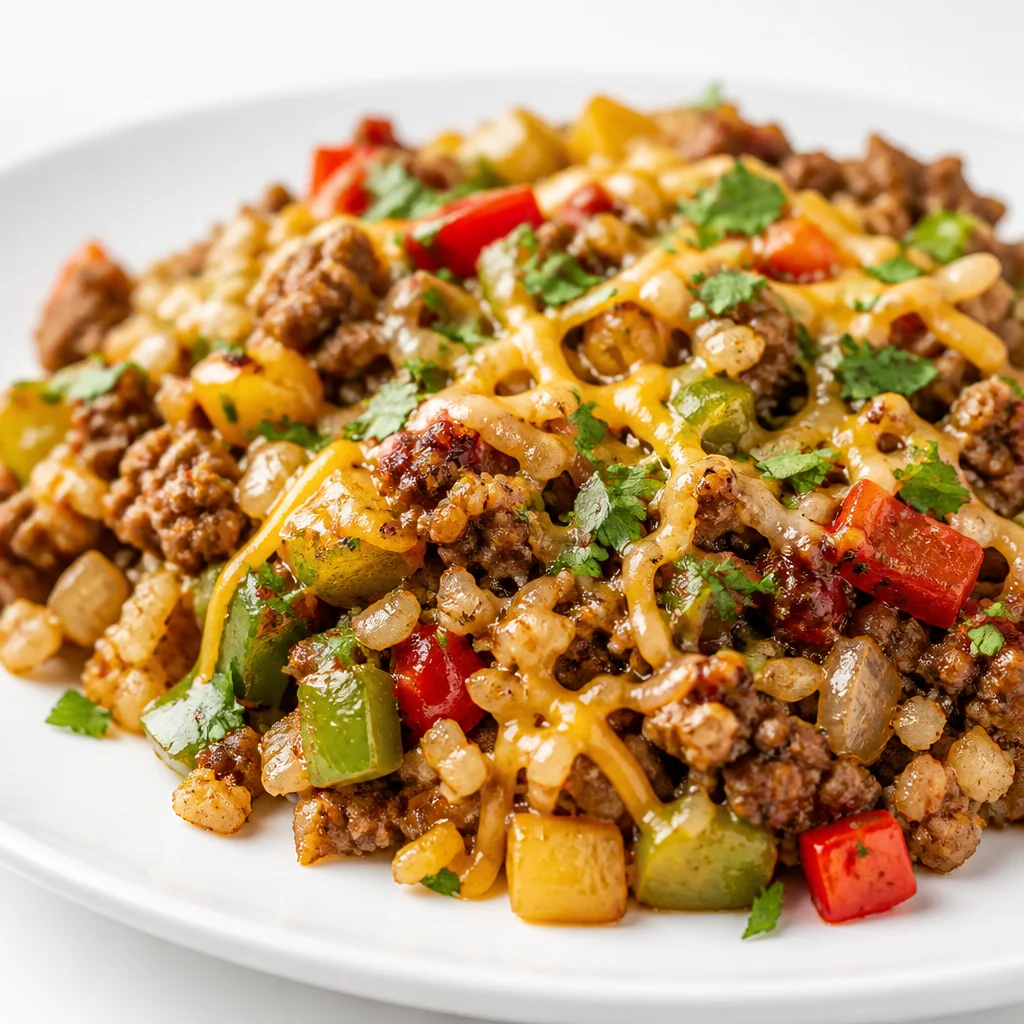
I call it my Cheesy Taco Skillet. It is low effort, easy to log, and it keeps me full. It also makes great leftovers, which is basically my love language.
My go-to recipe: Cheesy Taco Skillet (low carb friendly)
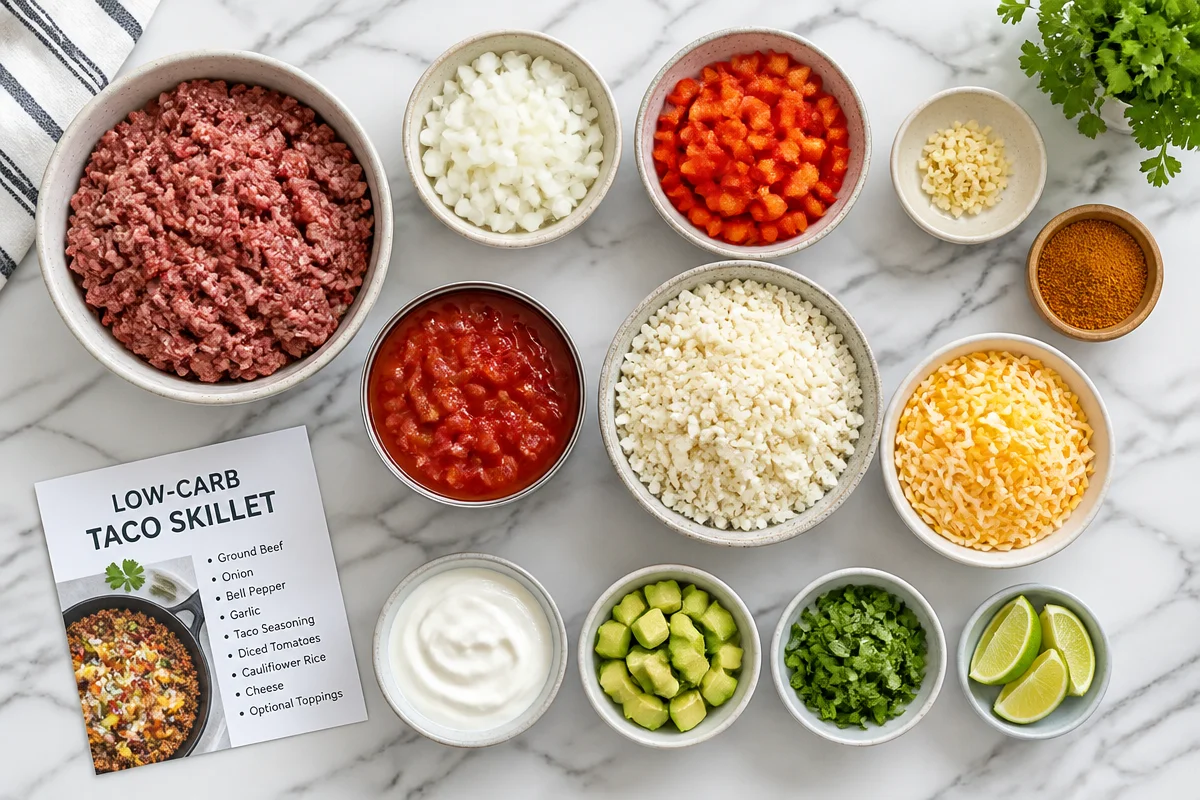
What you will need
- 1 pound ground beef or ground turkey
- 1 small onion, chopped (optional, but good)
- 1 bell pepper, chopped
- 2 cloves garlic, minced
- 2 to 3 tablespoons taco seasoning (check the label for carbs)
- 1 cup canned diced tomatoes (or a chunky salsa you trust)
- 1 to 2 cups cauliflower rice (fresh or frozen)
- 1 cup shredded cheese
- Salt and pepper
- Optional toppings: sour cream, avocado, jalapenos, chopped lettuce
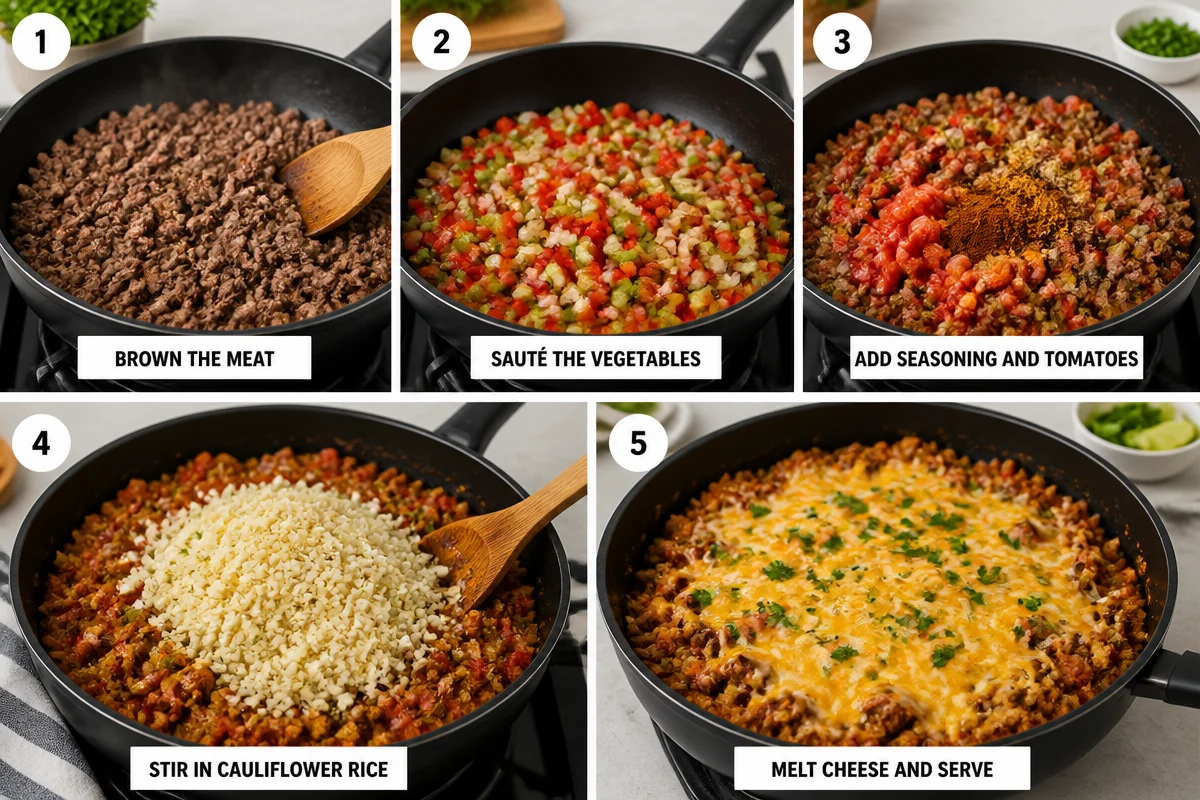
How I make it
1) Brown the meat in a big skillet. If there is a lot of grease, drain a little, but leave some for flavor.
2) Add onion and bell pepper. Cook until they soften a bit. Toss in garlic for the last minute so it does not burn.
3) Sprinkle in taco seasoning and stir it around. Add tomatoes or salsa and let it simmer for a couple minutes.
4) Add cauliflower rice. Stir, cover, and let it cook until the cauliflower is tender. This usually takes about 5 to 7 minutes depending on the type.
5) Turn off the heat, add cheese, and cover again so it melts. Taste and adjust salt.
Why this is great for tracking carbs: the ingredients are simple, and the carb sources are obvious. Tomatoes, onion, and pepper are the main ones, and they are easy to portion. Plus it is naturally high in protein, so it does not leave you prowling the kitchen an hour later.
If you want something crunchy on the side without doing a whole tortilla chip situation, I like these keto Cheez It crackers. They scratch that snack itch and make the skillet feel like a fun plate, not just “diet dinner.”
;
Expert Tips for Success
I am not a doctor, but I am definitely a person who has tested this on myself through busy weeks, holidays, and those days where you are tired and everything sounds like toast. Here are the tips that actually made tracking carbs stick for me.
How I track carbs without losing my mind
Pick a simple carb target. Not a perfect one. Just a number that matches your goal and feels doable. Then you can adjust after a week based on how you feel.
Track the “repeat meals” first. If you eat the same breakfast or lunch a lot, log that meal once, save it, and reuse it. This is the cheat code for consistency.
Protein first, then carbs. When I build a plate around protein, tracking carbs is easier because the base of the meal is already steady.
Watch drinks. Liquid carbs are sneaky and they rarely make you feel full. If you are tracking carbs and nothing is changing, look at what you drink for a week.
Do not fear salt (within your needs). When carbs drop, water drops too, and that can take electrolytes with it. If you feel off, it is often not a willpower problem.
And one gentle reminder: tracking carbs is a tool, not a life sentence. Once you learn what portions work for you, you might not need to track forever. But it is really helpful during the learning phase.
Resources for Further Learning
If you are trying to get better at tracking carbs, it helps to have a few reliable resources so you are not guessing all the time.
Here is what I suggest:
1) Use a tracking app you actually like. If the app feels annoying, you will quit. Simple as that.
2) Learn your “usual suspects”. For most people, the biggest carb sources are bread, rice, pasta, potatoes, sweets, and sugary drinks. But the next level is sauces and snacks.
3) Keep a short list of go-to meals. Like my cheesy taco skillet. When life gets chaotic, your default meals keep you from falling into random takeout carbs.
If you have specific health conditions, take meds that affect blood sugar, or you are pregnant, it is smart to check in with a qualified healthcare professional. Tracking can be empowering, but safety comes first.
Common Questions
Do I have to track carbs forever?
No. A lot of people track carbs for a few weeks to learn portions, then switch to tracking only sometimes, like after vacations or during stressful seasons.
Is tracking carbs better than tracking calories for weight loss?
For many people, yes, because tracking carbs can calm hunger and cravings. But results still depend on what you eat overall and how consistent you are.
What is the difference between total carbs and net carbs?
Total carbs include everything. Net carbs usually subtract fiber (and sometimes certain sugar alcohols). Choose one approach and stay consistent so you can see patterns.
Why do I feel tired when I lower carbs?
It can be a temporary adjustment, but it is often about electrolytes and hydration. Make sure you are getting enough fluids, sodium, and other electrolytes.
Can I still eat fruit and track carbs?
Yes. You just have to portion it. Berries are usually easier to fit than big servings of bananas or grapes, but it depends on your carb target.
A cozy wrap-up before you go cook
If calorie counting has made you feel stuck, tracking carbs might be the simpler lever that changes everything, especially cravings and energy. Start with a few repeat meals, keep your carb sources obvious, and make dinner something you genuinely look forward to, like that cheesy taco skillet. If you want an easy way to log meals, I like using Carb Manager: Keto & Macro Log because it makes tracking feel quick instead of tedious. Now go make the skillet, add your favorite toppings, and give yourself a week of consistency so you can actually see what tracking carbs can do.